Sweet Dahlia Font for Creative Branding and Business Design
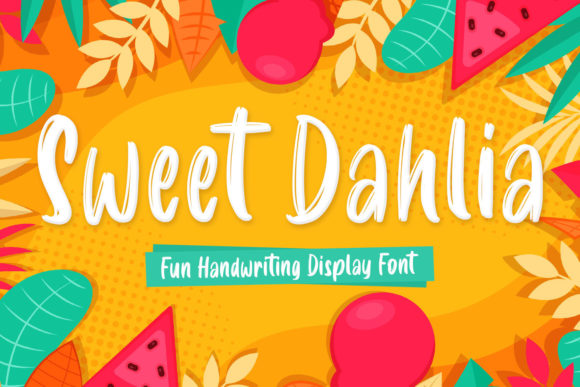
As a small business owner, your brand identity is more than just a logo or a color scheme — it's the visual language that connects you to your customers. That’s where Sweet Dahlia, a beautiful and versatile display font, can make all the difference. Created with the help of a brush pen, this Fonts option brings a handcrafted charm to your designs while maintaining enough structure to feel professional. Whether you're designing product labels, social media content, or packaging for your handmade goods, Sweet Dahlia adds personality without sacrificing clarity.
Sweet Dahlia for Wedding Invitations and Elegant Branding
If your business has an artistic flair — like a boutique wedding planner or a luxury candle seller — Sweet Dahlia can elevate your branding by adding a touch of elegance and warmth. Its playful curves and soft edges mimic the natural flow of handwriting, making it perfect for personalized touches in design. You could use it on custom wedding invitations, branded thank-you cards, or even as part of a signature line in your email templates. This display font works well when you want to convey creativity and care, which are essential qualities for businesses in the event or lifestyle niches.
Sweet Dahlia in Café Menus and Handmade Product Labels
Cafés, bakeries, and artisanal food shops often rely on a warm, inviting aesthetic to attract customers. Sweet Dahlia fits right into that vibe. It can be used creatively on café menus, bakery signage, or product labels for homemade jams, sauces, or desserts. The Fonts style offers a balance between fun and sophistication, so your customers get the sense that your products are made with love but also with intention. When paired with a clean sans serif font for body text, Sweet Dahlia becomes a standout headline that draws attention without overwhelming the design.
Using Sweet Dahlia for Boutique Logos and Startup Branding
A boutique or startup needs a strong, memorable brand identity from the beginning. Sweet Dahlia, being a display font, is ideal for logos, storefront signs, and website headers. Its unique character allows your brand to stand out in a sea of generic typefaces. For example, if you’re launching a women’s clothing brand or a wellness startup, using Sweet Dahlia in your logo gives off a modern yet personal vibe. Just remember to ensure the rest of your design assets maintain consistency — this includes choosing complementary colors and layout styles that enhance the font’s natural beauty.
How Sweet Dahlia Enhances Brand Recognition
Consistency is key when building a recognizable brand. By using Sweet Dahlia across multiple touchpoints — from your Fonts-based logo to printed flyers and digital ads — you create a cohesive look that your audience starts to associate with your business. Think about how your favorite brands always seem to look the same everywhere you see them: that’s intentional design. Sweet Dahlia helps you achieve that kind of familiarity, especially in industries where visual appeal plays a big role, such as fashion, beauty, and lifestyle products.
Sweet Dahlia for Social Media Graphics and Website Banners
Your Instagram posts, Pinterest graphics, and website banners are some of the first places potential customers will interact with your brand. Sweet Dahlia can bring a fresh, artistic energy to these spaces. Use it as a bold headline for seasonal promotions or as an accent for your call-to-action buttons. Since it’s a display font, it performs best in larger sizes and short phrases, ensuring readability on mobile screens and thumbnails. A well-designed social post with this Fonts option can stop users in their scroll and make your brand feel more approachable and trustworthy.
Testing Sweet Dahlia Before Full Integration
Before committing to Sweet Dahlia for your entire brand, it’s wise to test it out in real-world applications. Start by applying it to one design asset at a time — maybe a sample menu item or a single Instagram post. See how it looks in different sizes, colors, and backgrounds. Does it still feel readable on a small label? Does it work well in both print and digital formats? These practical tests help ensure that this display font aligns with your brand’s goals and doesn’t clash with other design elements. Once you're confident, you can roll it out across your packaging, website, and marketing materials for a unified brand presence.
Sweet Dahlia for Digital Ads and Customer-Facing Materials
In today’s fast-paced digital world, your online presence must catch attention quickly. Sweet Dahlia is a great choice for digital ad headlines, landing pages, and promotional banners. Its expressive nature makes it ideal for highlighting key messages, special offers, or product names. However, because it’s a decorative Fonts style, it’s important to pair it carefully with secondary fonts that handle the bulk of the text. Try pairing it with a sleek sans serif or a classic serif font to create contrast and guide the viewer’s eye through your message effectively.
Font Pairing Tips with Sweet Dahlia
- Pair with a Clean Sans Serif: Combine Sweet Dahlia with a font like Montserrat or Lato for digital interfaces and web design. The contrast between the two enhances readability and adds a modern edge.
- Use with a Readable Serif: If you're working on printed materials, pair it with a traditional serif font like Georgia or Garamond to keep the tone consistent but easy to read.
- Accent Only: Remember, Sweet Dahlia is a display font. Reserve it for headlines, logos, and accents rather than long paragraphs or body copy.
These pairings allow you to highlight the beauty of Sweet Dahlia while ensuring your message remains clear and digestible for your audience.
Sweet Dahlia in Packaging Design and Merchandise
For handmade product sellers, packaging is not just functional — it’s a marketing tool. Sweet Dahlia can turn a simple box or jar into something visually compelling. Use it for labeling your skincare products, candles, or gourmet treats. Because it was created with a brush pen, it feels organic and personal, which is exactly what many indie brands aim for. But don’t forget to check commercial font licensing before printing any merchandise. Some Fonts are only suitable for personal use, while others require a license for commercial projects, including packaging and product sales.
Real-World Examples of Sweet Dahlia in Action
Let’s put Sweet Dahlia into context with a few realistic scenarios:
- Bakery Branding: A local bakery uses Sweet Dahlia on its logo and window signage. The handwritten feel invites customers in and conveys the idea of home-baked goodness.
- Beauty Packaging: A small skincare brand incorporates Sweet Dahlia into its product labels for a luxurious, bespoke look. The font complements minimalist layouts and premium ingredients.
- Creative Flyers: An independent coach or trainer uses this display font for a flyer promoting a new workshop. The friendly and artistic style appeals to creative professionals and entrepreneurs alike.
- Instagram Posts: A boutique owner uses Sweet Dahlia for Instagram captions and promotional images. The font adds a stylish flair that stands out in the feed.
Each of these examples shows how a single Fonts choice can influence the overall impression of your brand — making it more professional, consistent, and appealing to your target market.
Ensuring Readability with Sweet Dahlia
While Sweet Dahlia is undeniably beautiful, it’s also important to consider how it performs in various contexts. In small print or low-resolution images, decorative Fonts can lose their clarity. Always preview the font on different mediums before finalizing your design. Test it on printed business cards, digital thumbnails, and mobile-responsive websites. The goal is to maintain both visual appeal and legibility — especially when your brand name or key message needs to be understood at a glance.
Why Small Businesses Should Consider Sweet Dahlia
Small businesses often need to do more with less, and having the right Fonts can help stretch your design budget further. Sweet Dahlia is a high-quality display font that can serve multiple purposes. From your logo to your next Instagram story, it can adapt to different styles while keeping your brand voice intact. Its brush-pen origin gives it a human touch, which is invaluable for businesses aiming to build emotional connections with their customers. And because it’s designed for display use, you won’t have to worry about it clashing with the rest of your design system when used correctly.
Commercial Use and Licensing for Sweet Dahlia
Before using Sweet Dahlia on anything intended for sale, it’s crucial to confirm the font supports commercial use. Many Fonts are only free for personal projects, so double-check the licensing agreement to avoid legal issues later. If you plan to use it on packaging, digital downloads, client deliverables, or templates, ensure the license covers those specific applications. Investing in the right license for a premium font like Sweet Dahlia ensures peace of mind and protects your business from unexpected complications down the road.
Integrating Sweet Dahlia Into Your Brand Identity
Once you’ve confirmed the font is suitable for your needs, start integrating Sweet Dahlia into your core design assets. Begin with your logo and website header to establish the primary visual identity. Then, apply it selectively to other areas like social media posts, product tags, and promotional banners. Keep your supporting text in a clean, legible font to maintain hierarchy and ensure everything reads smoothly. Over time, your customers will begin to recognize the font as part of your brand — reinforcing trust and familiarity.
Whether you're crafting a new brand from scratch or refreshing an existing one, Sweet Dahlia offers a unique combination of artistry and professionalism. As a display font, it shines in headlines and logos, giving your business a creative edge while staying grounded in usability. So go ahead — explore the possibilities with this expressive Fonts choice and take your branding to the next level.