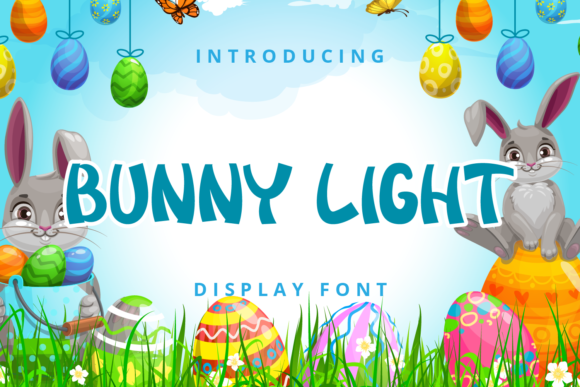
Bunny Light Font for Creative Makers and Handmade Shops
As a maker who loves to craft with intention, I always look for fonts that bring personality to my products. When I first saw Bunny Light, a whimsical display font with a relaxed theme and lovely style, it instantly caught my eye. It’s not just another font in the library — it’s a creative companion that adds charm and warmth to everything from candle labels to boutique tags.
Adding Bunny Light to My Candle Labels
Recently, I was preparing new seasonal candles for my shop and needed a fresh label design. I wanted something that felt inviting but still had an artisanal touch. That’s when I reached for Bunny Light. Its soft curves and playful character gave my labels a cozy, handcrafted feel without being too fussy.
I tested the font on both mockups and real product labels. The results were stunning — even the simplest phrases like “Cozy Vanilla” or “Spring Breeze” took on a new life. Customers browsing my listings could immediately sense the handmade quality and care behind each item. And since Bunny Light is a display font, it works best in short bursts, making it perfect for titles and names on small surfaces.
Bunny Light for Greeting Cards and Birthday Invitations
Greeting cards are one of those projects where typography can make or break the emotional impact. Bunny Light brings a gentle, joyful tone to any card — especially birthday and holiday designs. I used it recently for a set of custom birthday invitations and paired it with a clean sans serif font for the details. The combination struck the right balance between whimsy and clarity.
What I love about this display font is how it feels personal. Whether you’re designing a thank-you note or a festive holiday card, Bunny Light gives your message a unique voice. And because it has a relaxed theme, it avoids the overly ornate look that can sometimes clash with modern or minimalist aesthetics.
Using Bunny Light on Farmhouse Signs and Boutique Packaging
Farmhouse signs are all about simplicity and charm. When I started working on some rustic-style wooden signs for a local boutique, I knew I needed a typeface that felt warm yet professional. Bunny Light fit perfectly into that space. Its lovely style lent itself well to phrases like “Welcome Home” or “Good Vibes Only,” which are common in this niche.
For packaging, I layered Bunny Light over a muted background using a light ink wash effect. The font didn’t overpower the design, yet it stood out enough to catch attention. Boutique owners loved the subtle elegance it brought to their gift boxes and tags. It's a great example of how choosing the right font can elevate your brand identity while staying true to your aesthetic.
How Bunny Light Enhances Product Presentation
The visual appeal of Bunny Light does more than make your products look pretty — it enhances the perceived quality. A well-designed label or tag can communicate professionalism and care, which is crucial for handmade sellers looking to build trust. Even if your product is simple, the right typeface can make it feel special.
When I use Bunny Light in my printables or digital downloads, it helps maintain brand consistency across different items. Clients appreciate knowing what to expect from my shop — a consistent style that feels genuine and cohesive. This kind of branding makes your work more memorable and increases customer recognition.
Designing Wall Art and Planner Pages with Bunny Light
Bunny Light is also incredibly useful for printable wall art and planner pages. I created a few SVG-style designs for a spring-themed collection and used the font for decorative headings and motivational phrases. The result? A line of graphics that felt cheerful and uplifting, exactly what customers were looking for in that season.
On planner pages, I paired Bunny Light with a bold script font for key dates and a simple serif for body text. This helped differentiate sections visually while keeping the overall layout harmonious. The font’s relaxed theme made it ideal for things like weekly affirmations or project headers.
Readability Tips for Cutting Machines and Small Stickers
If you're using Bunny Light with a Cricut or Silhouette machine, it’s important to consider its legibility at smaller sizes. While it shines as a display font, it might need some extra spacing or contrast when cut into vinyl for stickers or tags. I recommend using high-contrast colors and ensuring there's enough white space around the text so it remains easy to read.
For product labels, I often simplify the wording and use larger point sizes to keep it clear. But don’t worry — Bunny Light maintains its charm even in these scenarios. Just remember to check the file formats included with the font to ensure compatibility with your cutting software.
Font Pairing Suggestions for Branding and Design Projects
To get the most out of Bunny Light, try pairing it with contrasting fonts. Here are a few combinations I’ve found effective:
- Bunny Light + Clean Sans Serif: Great for greeting cards, invitations, and product tags where a soft title pairs nicely with straightforward information.
- Bunny Light + Simple Serif: Adds a timeless touch to farmhouse signs or vintage-inspired printables.
- Bunny Light + Bold Script: Creates a fun and elegant vibe for wedding stationery or luxury product displays.
These pairings help highlight the versatility of Bunny Light while maintaining readability and visual interest.
Checking Licensing and Multilingual Support Before Selling
Before adding Bunny Light to any commercial project, I always double-check the licensing terms. Some fonts have restrictions on merchandise or digital sales, so it’s essential to know whether it allows use in your specific context — whether that’s physical products, templates, or printables.
Also, if your audience includes international buyers or you create multilingual content, verify that the font supports the characters you need. Many display fonts offer Latin-based scripts, but it's worth confirming before finalizing your designs.
Bunny Light for Seasonal Products and Shop Materials
One of my favorite ways to use Bunny Light is for seasonal products. For Easter, I designed a series of bunny-themed stickers and used the font for phrases like “Hoppy Easter” and “Springtime Joy.” The font’s playful nature matched the holiday spirit perfectly.
During the holidays, I applied it to gift tags and ornament designs. The font’s whimsical character added a personal touch that resonated with customers. And since it’s a display font, it worked beautifully in large, decorative lettering without becoming cluttered or hard to read.
I also use Bunny Light in my shop materials — like banners, social media graphics, and email headers. It helps unify my brand across platforms and gives visitors a warm, approachable first impression. The font doesn’t shout; it invites people in with its relaxed theme and lovely style.
Creating Digital Templates and Mockup Previews
Digital download creators will find Bunny Light especially useful for preview images and mockups. I include it in sample layouts for clients to see how the font will appear once printed. It adds a layer of realism and helps them visualize the finished product better.
Because it’s a display font, it stands out in thumbnails and listing images. I’ve noticed that when I use it in previews for printable wall art or greeting cards, they tend to grab attention faster than generic alternatives. It’s a subtle but powerful detail in product presentation.
Why Bunny Light Fits into Your Fonts Library
Every font has its place, and Bunny Light is no exception. It’s not a font you’d use for long paragraphs or technical documents, but for short, impactful phrases — it shines. From boutique tags to wedding welcome boards, it brings a sense of joy and creativity that’s hard to replicate with other typography options.
Its versatility means it can adapt to many styles: modern, rustic, bohemian, or even a bit of shabby chic. I've used it in both editorial design and web design for my online shop, and it consistently delivers a soft yet confident presence.
Testing Bunny Light on Merchandise and Printables
Curious how it would look on fabric, I tested Bunny Light on a tote bag design. The outcome was delightful — the font’s lovely style complemented the linen texture and pastel color palette I was going for. For mugs and shirts, I adjusted the stroke weight slightly to ensure it held up in different printing methods.
When designing printables, I often add a drop shadow or slight gradient to give Bunny Light more depth. These little tricks enhance the font’s whimsical nature and make it pop on screen and in print. Always test your designs in multiple sizes and formats to ensure it looks great on every surface.
Bringing Whimsy to Wedding Invitations and Stationery
Wedding invitations require a delicate balance between elegance and personality. I recently used Bunny Light for a client’s save-the-date cards and found it to be a perfect match for their romantic, garden-themed event. Paired with floral illustrations and a soft watercolor background, the font became the heart of the design.
While it wasn’t suitable for the main invitation body (due to its display nature), it worked wonders for the header and envelope address. The font’s relaxed theme gave the stationery a dreamy, personal feel that the couple absolutely loved. It’s a reminder that the right font can turn a standard design into something unforgettable.
Final Touches and Realistic Expectations
When incorporating Bunny Light into your workflow, take time to explore the included styles and alternates. Some display fonts come with ligatures or swashes that can add extra flair, but I’ve found that less is often more with this one. Let the font speak for itself with minimal embellishment.
Also, consider how it interacts with your brand colors. Since it has a lovely style, it tends to work best with soft palettes — think blush pinks, sage greens, and creamy whites. Darker tones can also work, especially for boutique packaging or coffee cup sleeves, but always test the contrast.
Ultimately, Bunny Light isn’t just another font — it’s a tool that helps you express your creativity and connect with your audience. Whether you’re crafting for a hobby or running a full-time handmade business, the right typography can transform your shop into a brand that people recognize and love.